How Long Do Injectables Really Last?
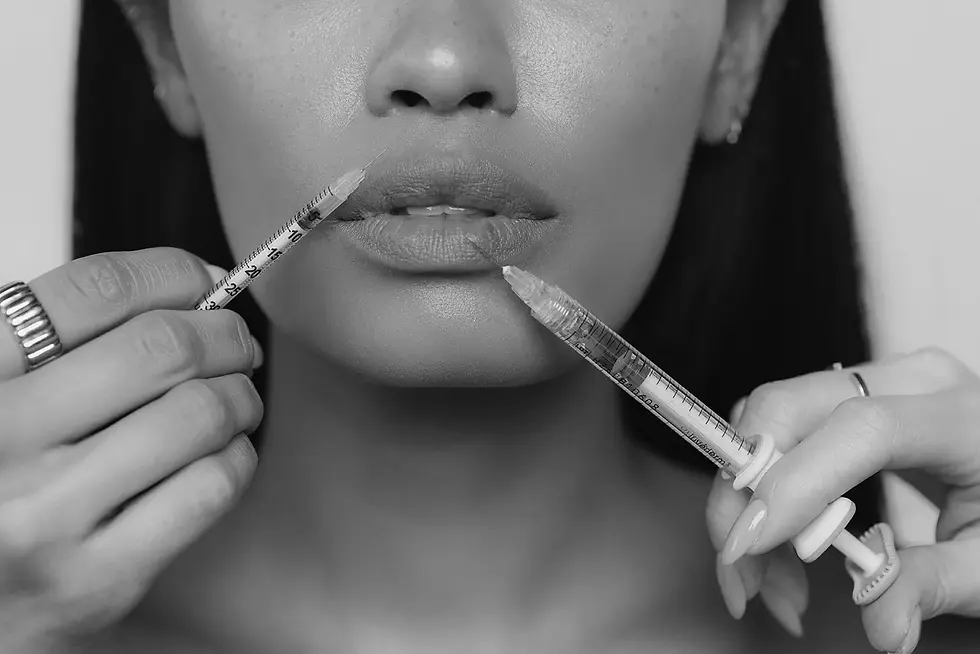
One of the most common questions patients ask before injectable treatments is: “How long will it last?”
The honest answer is that longevity varies more than most people expect. Botox, dermal fillers, and biostimulators like Sculptra all work differently, and results depend on factors such as metabolism, treatment area, facial movement, and product amount used.
Rather than treating based on strict timelines alone, we evaluate the face at each appointment and customize treatment based on what we see in front of us. Understanding how each injectable behaves helps set realistic expectations for results and maintenance.
How Long Does Botox Last?
Botox and other neuromodulators such as Dysport work by temporarily relaxing targeted muscles to soften and prevent dynamic wrinkles.
Most patients are told results last three to four months, which is generally accurate—but the process is more gradual than many realize.
Botox does not take effect instantly or disappear suddenly. Instead, it follows a predictable cycle:
Weeks 1–2: Gradual onset as muscle activity begins to decrease
Weeks 3–8: Peak results with strongest muscle relaxation
Weeks 9–12: Slow and gradual return of movement
This means Botox is not “fully frozen” for the entire duration—it builds, stabilizes, and then slowly wears off.
If Botox appears to wear off sooner than expected, one of the most common reasons is underdosing, meaning not enough units were used to fully relax the targeted muscles.
How Long Do Dermal Fillers Last?
Dermal fillers are typically made of hyaluronic acid (HA), a naturally occurring substance in the skin that attracts water and restores volume.
Manufacturers often list filler duration as 6–12 months, but this is based on minimum clinical study timelines—not necessarily how long results actually last in real-world patients.
In practice, many patients experience results that last longer than the standard timeframe, sometimes extending well beyond a year depending on individual factors.
What affects filler longevity:
Treatment area: High-movement areas (like lips) break down faster
Product type: Some fillers are designed for structure and longevity, others for softness
Amount used: Larger structural treatments may last longer than small refinements
Metabolism: Each person breaks down filler at a different rate
Because of this variability, the best approach is not to re-treat strictly based on time—but based on how the face is naturally changing over time.
How Long Does Sculptra Last?
Sculptra works very differently from Botox and filler. Instead of providing immediate volume, it stimulates your body’s natural collagen production using poly-L-lactic acid (PLLA).
You may notice a subtle temporary plumping effect right after treatment, but this is from the fluid used during injection—not the final result.
The true benefits develop gradually over several weeks to months.
Results from Sculptra may include:
Improved skin firmness and structure
Smoother fine lines
Gradual volume restoration
Overall improvement in skin quality
Sculptra results can last up to two years, and many patients choose annual maintenance treatments to support ongoing collagen production and long-term skin integrity.
Because it works by rebuilding collagen, results tend to look very natural and progressive over time.
Why Injectable Longevity Is Different for Everyone
While general timelines exist for Botox, filler, and Sculptra, there is no universal expiration date that applies to everyone.
Longevity depends on:
Metabolism
Facial anatomy and muscle strength
Lifestyle factors
Product selection and placement
Treatment goals and dosing strategy
This is why injectable treatment should never be approached as a one-size-fits-all schedule.
Instead, treatments should be assessed and adjusted based on how the face is actually aging and responding over time.
The Clinical Approach to Injectables
At Simply Beautiful, injectable treatments are not based solely on fixed timelines. Instead, we focus on facial assessment at every visit and tailor treatment plans based on structure, movement, and aesthetic goals.
This allows for more natural-looking, balanced, and long-lasting results.
How Long Do Injectables Really Last?
Botox / Dysport: ~3–4 months (gradual onset and fade)
Dermal Fillers: Commonly 6–18+ months depending on area and product
Sculptra: Up to 2 years with collagen stimulation and maintenance
The best results come from personalized treatment planning rather than strict timelines.
Final Thoughts
Injectables are not “set it and forget it” treatments—they are dynamic and responsive to your body, your movement, and your aging process.
Understanding how each product works helps you set realistic expectations and achieve more natural, long-term results.
Ready to create a personalized injectable plan?Book a consultation at Simply Beautiful to determine the best treatment approach for your facial structure and goals.


Comments